Steel ranks among the most widely used materials in the world and forms the backbone of industries from construction to automotive manufacturing. However, steel’s remarkable recyclability is what distinguishes it from many other materials. Steel plays a vital role in the circular economy, an economic model designed to reduce waste and increase resource efficiency, because it can be recycled indefinitely without losing its strength or durability.
What is the Circular Economy?
An alternative to the conventional “take-make-dispose” linear model is the circular economy. The circular economy prioritizes reuse, refurbishing, recycling, and waste design from the outset rather than obtaining raw materials, producing goods, and then throwing them away. Reducing the environmental impact and establishing a more sustainable manufacturing cycle are the objectives of maximizing the lifespan of materials.
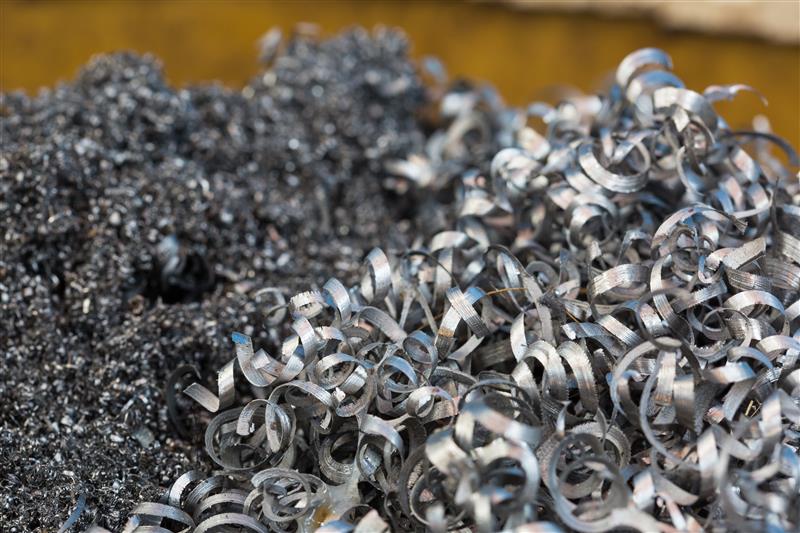
When it comes to steel, this entails gathering scrap metal from outdated buildings, automobiles, equipment, and manufacturing waste, processing it, and reusing it in production without sacrificing quality.
Why Steel is Perfect for the Circular Economy
Steel’s properties make it uniquely suitable for circular practices:
- Infinite Recyclability – Unlike plastics or composites, steel retains its strength, toughness, and other essential qualities even when melted down and reshaped repeatedly.
- Established Recycling Infrastructure – Steel recycling is already widespread, supported by global networks of scrap dealers, processing plants, and steel mills equipped for recycled feedstock.
- Energy Efficiency in Production – Producing steel from scrap requires significantly less energy compared to producing it from iron ore. The energy savings can be as high as 60–74%, reducing carbon emissions.
- Economic Viability – Scrap steel has a strong market value, creating financial incentives for collection and recycling.
The Process of Recycling Steel
The recycling journey of steel typically follows these steps:
- Collection – Scrap steel comes from end-of-life products such as demolished buildings, scrapped cars, industrial equipment, and even household appliances.
- Sorting and Processing – Magnets separate steel from other materials, and processors then clean, cut, or shred the scrap into smaller pieces for easier handling.
- Melting – Processors melt scrap in highly efficient furnaces like Electric Arc Furnaces (EAFs), which are ideal for recycling.
- Purification and Refining – Impurities are removed, and alloying elements may be added to achieve the desired grade and properties.
- Casting and Rolling – The molten steel is cast into billets, slabs, or blooms, which are then rolled into new products such as bars, sheets, pipes, or structural sections.
Environmental Benefits of Recycled Steel
Recycling steel plays a crucial role in reducing environmental impact:
- Lower Carbon Emissions – Using scrap steel instead of virgin ore reduces greenhouse gas emissions significantly.
- Reduced Resource Extraction – Recycling lessens the need for mining iron ore and coal, preserving natural landscapes and reducing habitat destruction.
- Waste Reduction – By diverting steel from landfills, recycling decreases waste volumes and prevents potential contamination.
- Energy Conservation – The lower energy requirement in recycling means fewer fossil fuels burned, reducing overall pollution.
Economic Benefits for Industries and Communities
Beyond environmental gains, recycled steel supports economic growth:
- Cost Savings for Manufacturers – Scrap-based steel production can lower input costs.
- Job Creation – The recycling sector employs workers in collection, processing, transportation, and manufacturing.
- Market Stability – A steady supply of recycled steel can help stabilize prices in times of raw material shortages.
Challenges in Steel Recycling
Despite its advantages, steel recycling faces challenges:
- Contamination – Non-metallic impurities and mixed alloys can affect quality.
- Collection Efficiency – Not all steel scrap is recovered, especially from dispersed or small-scale waste sources.
- Transportation Costs – Moving bulky scrap can be expensive and energy-intensive.
However, innovations in sorting technology, better scrap collection systems, and stronger recycling policies are helping overcome these issues.
The Future of Recycled Steel in the Circular Economy
As industries transition toward greener practices, recycled steel will play an even bigger role. Key developments include:
- Increased Use of Electric Arc Furnaces – More steel mills are shifting to EAFs for efficient scrap melting.
- Advanced Sorting Technologies – AI-driven and sensor-based systems improve scrap purity.
- Policy Support – Governments are incentivizing recycling through tax benefits, regulations, and infrastructure investments.
- Consumer Demand for Sustainability – End users increasingly prefer products with high recycled content.
Conclusion
Recycled steel is a model material in the circular economy since it is robust, infinitely reusable, and widely accessible. Industries may lessen their influence on the environment, save money, and lessen their dependency on limited resources by incorporating more recycled steel into their manufacturing.
The transition to a genuinely circular steel sector presents both an economic and environmental opportunity. One beam, sheet, and coil at a time, recycled steel may contribute to the creation of a sustainable future with the correct infrastructure, creativity, and dedication.


Leave a Reply